
By: The One on One Team
Last Updated: 6/28/2026
The ILAI Method: A Smarter Approach to Improving Mobility and Movement
As we age, it’s common to notice that certain movements don’t feel as easy as they once did. Maybe your hips feel stiff when getting out of a chair, your shoulders don’t move as freely when reaching overhead, or your back feels tight after a round of golf or a day of gardening. The natural response is often to stretch more, but many people discover that the relief is temporary and the stiffness eventually returns.
The reason is simple: mobility problems are rarely caused by a single tight muscle. Our bodies function as interconnected systems. When one muscle becomes overactive, another may become weak. When a joint loses mobility, the body often compensates by moving differently elsewhere. Lasting improvements require more than stretching—they require addressing the underlying movement pattern.
This is why the corrective exercise framework known as ILAI can be so valuable. While fitness and rehabilitation professionals use it to design exercise programs, the framework is useful for anyone who wants to better understand how the body works and how to approach mobility limitations more effectively.
Think of ILAI as a roadmap. Instead of randomly stretching whatever feels tight, it provides a sequence for addressing movement problems at their source. First, reduce excessive tension. Then improve mobility. Next, strengthen the muscles that need to do their job. Finally, practice moving correctly so the body can use those improvements in everyday life.
Whether your goal is to walk comfortably, play golf, lift weights, work in the yard, or simply maintain your independence, the ILAI framework can help you think more strategically about movement and mobility.
ILAI stands for:
Inhibit – Reduce excessive tension in overactive muscles. Common techniques include foam rolling, gumdrop, and assisted myofascial release.
Lengthen – Improve flexibility and mobility in shortened muscles and tissues. Common techniques include trainer-assisted stretching and self-directed stretching.
Activate – Strengthen or “wake up” muscles that are weak or underperforming. Common techniques include isolated activation exercises such as bridging, planking and rowing.
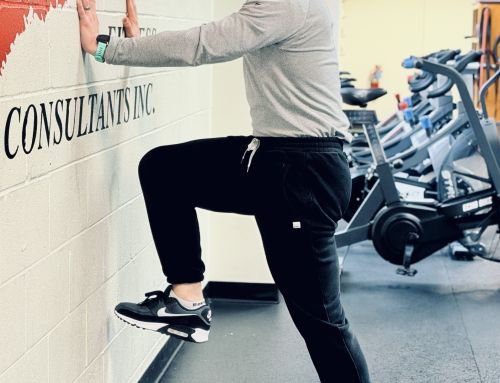
Integrate – Retrain the body to use these improvements during functional movement. Common techniques include 3D matrix training, lunging, deadlifting, and squatting.
Example #1: Improving Hip Dysfunction
Hip dysfunction is a term that encompasses stiffness, weakness and reduced range of motion throughout the hips. Dysfunctional hips can be a source of many common issues such as back pain or knee pain. Below is an example of how ILAI addresses a dysfunctional hip.
Inhibit: Use a foam roller or massage ball on the hip flexors and surrounding tissues.
Lengthen: Perform gentle hip flexor stretches to restore mobility.
Activate: Strengthen the glutes with exercises such as bridges or clamshells.
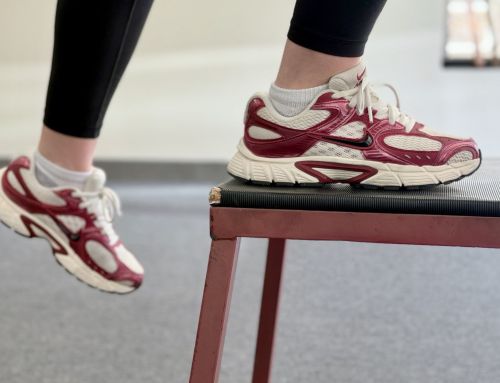
Integrate: Practice functional movements like squats or step-ups while maintaining proper hip alignment and control.
The result is not simply greater flexibility, but improved hip function that carries over into walking, climbing stairs, golfing, gardening, and other daily activities.
Example #2: Improving Shoulder Dysfunction
Shoulder dysfunction, often caused by poor upper body posture, significantly reduces upper body capabilities and can contribute to common issues such as tendonitis.
Below is an example of how ILAI addresses a dysfunctional shoulder:
Inhibit: Foam roll or perform soft tissue work on the chest and upper shoulder muscles.
Lengthen: Stretch the chest and front of the shoulders to improve range of motion.
Activate: Strengthen the muscles that support scapular stability through exercises such as crossover reverse fly.
Integrate: Perform reaching, lifting, and overhead movement patterns while maintaining proper shoulder positioning.
This process helps create better shoulder mechanics, making everyday activities and recreational pursuits more comfortable and efficient.
The Bottom Line
When mobility restrictions occur, the solution is rarely just stretching. The body functions as a system, and lasting improvements require addressing muscle tension, flexibility, strength, and movement patterns together.
The ILAI framework provides a systematic approach to restoring movement quality so you can continue doing the activities you enjoy with greater comfort, confidence, and longevity.
Copyright 2026 Fitness Consultants Inc. All rights reserved.