

By The One on One Team
Last Updated: 10/11/26
Glute Activation: Why It Matters and How to Do It Properly
A well-designed movement preparation sequence includes four essential elements: tissue pliability, joint mobility, glute and abdominal activation, and gradually increasing heart rate. Each component serves a specific purpose in preparing the body for safe and effective exercise.
Over time, it’s easy for these routines to become automatic. We complete the movements but lose focus on their intent. When this happens, “movement prep” turns into “going through the motions.” This article revisits one of the most important components: glute activation. We’ll review why it matters and how to perform our key activation exercises with proper form.
Why Glute Activation Matters
The gluteal muscles—gluteus maximus, medius, and minimus—play a critical role in nearly every lower-body movement. They are responsible for extending the hip and moving the leg outward, but perhaps more importantly, they help stabilize the pelvis and femur. This stability keeps the spine, hips, and knees aligned, supporting coordinated movement in daily activities such as walking, climbing stairs, and standing from a chair.
When the glutes are weak or underactive, other muscles compensate. The lower back and hamstrings take on extra work, often leading to tightness or discomfort. Over time, this imbalance can affect posture and contribute to pain in the lower back, hips, or knees. Activating the glutes before exercise helps ensure the right muscles engage when they should, which protects joints and improves overall movement quality.
Key Concepts
Although each glute activation exercise has its own technique, several principles apply across all of them. Keep these three cues in mind when you are performing your glute exercises.
- Maintain a neutral pelvis throughout the movement by avoiding excessive arching or tucking. This allows the glutes to work rather than the lower back or hamstrings.
- Keep the knees aligned with the hips and feet. The glute muscles prevent the knee from collapsing inward and activation exercises reinforce the muscle engagement needed to maintain that alignment. Performing the movement in poor alignment defeats the purpose and actually feeds the dysfunction.
- Reach clear endpoints. Each repetition should reach a precise start and end position. Holding these positions briefly reinforces proper muscle activation and prevents momentum from taking over. By taking the extra second to fully engage your glutes, you are supporting the long-term health of your hips, knees, and lower back. It is worth it!
With these principles in place, we can now review proper technique and common breakdowns for our most common glute activation exercises:
Lateral Band Walks
What you should feel:
You should feel work on the outside of your hips as you step sideways. Both legs should feel engaged, not just the moving leg. You may also notice gentle tension along the side of your thigh, but the primary sensation should be high on the hip—not in the knees.
What to avoid:
Avoid letting the knees collapse inward or bringing the feet so close together that band tension is lost. Be mindful not to rock the upper body side to side, as this shifts the work away from the glutes and into compensatory patterns.
Posture Holds
What you should feel:
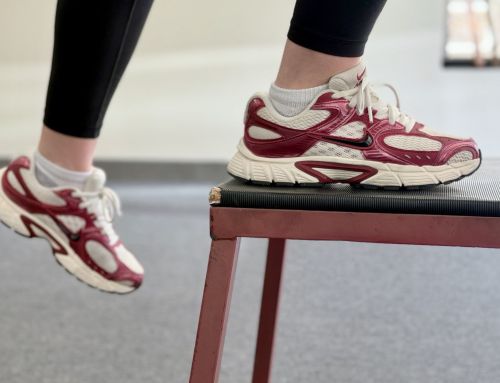
Glute engagement happens in the standing leg at the top of the movement. When you come into the hurdle stance, you should feel the standing leg tense and the glute contract.
What to avoid:
Avoid bending the standing knee or over-tucking the hips at the top of the movement. If you reach the top endpoint without contracting the glute of the standing leg, you lose the purpose of the drill.
Deficit Bridge
What you should feel:
You should feel a strong contraction through the back of the hips as you lift through the extended range of motion. The effort should feel centered high on the hips, with the ribs staying down so the movement comes from the hips rather than the lower back.
What to avoid:
Avoid using momentum or bouncing off the bottom, as this reduces the work in the glutes and increases strain elsewhere. Stopping short of the full top position limits the benefit, while overextending places pressure on the lower back. As with all hip-dominant exercises, keep the knees tracking straight to avoid shifting load into the knees or inner thighs.
Conclusion
Glute activation may seem like a small part of the training session, but it plays a meaningful role in the bigger picture. Exercises like deficit bridges prepare the hips to work the way they are designed to, which improves the quality of the strength work that follows. Over time, that strength supports the movements that matter most like climbing stairs, standing up from the floor, and participating in sports. When viewed this way, these brief activation drills become a meaningful part of supporting long-term mobility and strength.
Copyright 2026 Fitness Consultants Inc. All rights reserved.