

By The One on One Team
Last Updated: 9/13/2026
The Benefits of Isometric Training: How Holding Still Builds Strength and Stability
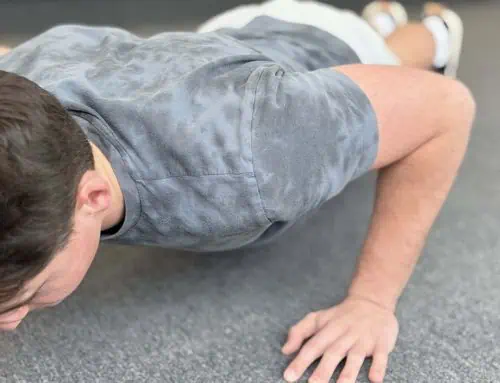
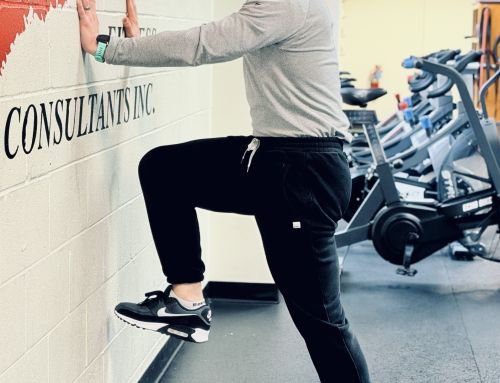
If you have trained at One on One, you have probably been asked to pause at the bottom of a squat, hold a plank a little longer, or perform 1.5 reps. These techniques all emphasize the isometric phase of a movement and serve a specific purpose in your training. In this Focus Point, we’ll take a closer look at why we use isometric training and how it can help you get more out of your workouts.
What Is Isometric Training?
An isometric contraction occurs when a muscle produces force without changing length. In other words, the muscle is working, but the joint isn’t moving.
Every exercise includes three phases:
- Concentric: the lifting or shortening phase (e.g., standing up from a squat, curling the dumbbell up).
- Isometric: the holding phase (e.g., pausing at the bottom).
- Eccentric: the lowering or lengthening phase (e.g., descending into the squat, lowering the dumbbell).
Although isometrics don’t involve movement, they play an important role in helping you get the most out of each rep.
Common Applications:
Safe Strength Training. One of our foundational training principles is to challenge your strength with as little weight as possible. By emphasizing the isometric phase, we can increase the intensity of an exercise without adding more weight. This can be especially useful when strength training while managing joint issues.
Joint Stability. Before a joint can move well, it must first be stable. Isometric exercises strengthen the muscles responsible for supporting the joint, helping to improve control during movement.
Form Improvements. Emphasizing a pause is an effective strategy for sharpening our form. If you begin compensating during a movement, pausing at an endpoint can help you demonstrate control and reinforce the mind-muscle connection needed for proper form.
Improved Mobility. Pausing at endpoints within functional movements is a powerful strategy for improving mobility. This is especially effective with deadlifts, squats, and lunges. The key is to maintain excellent form by following our ‘Back to Basics’ concepts.
Copyright 2026 Fitness Consultants Inc. All rights reserved.
Takeaway
The next time we ask you to pause during an exercise, remember that the hold is there for a reason. Isometric training allows us to increase the challenge of an exercise, reinforce excellent form, improve stability, and develop strength without simply adding more weight. When used with purpose, even a few seconds of holding still can make each rep more effective.
Copyright 2026 Fitness Consultants Inc. All rights reserved.