
By The One on One Team
Last Updated: 9/27/2026
Step Up Variations: Understanding Proper Form, Purpose and Benefits
Step Ups and their variations regularly appear in our training programs to develop strength, balance, and cardiovascular capacity. While the movements may look similar, each creates a different training demand. Understanding the differences helps you focus on the intended benefit.
Regardless of which variation you perform, our Three Keys for Proper Exercise Form remain the foundation. Begin with the proper setup and endpoints, maintain your Capital “I,” and limit leaks throughout the exercise.
Running Step Up
Purpose: Cardiovascular endurance and agility
Tempo: Quick and rhythmic
Primary Focus: Stay light on your feet and maintain proper posture
Key Considerations
Establish a sustainable rhythm while placing your entire foot securely on the step. As fatigue develops, maintain your Capital “I” and accurate foot placement. Landing closer to the edge or changing your posture are signs that your pace is too fast.
Low Carry Loaded Step Up
Purpose: Lower body strength
Tempo: Moderate and controlled
Primary Focus: Push straight up onto the step without using momentum
Key Considerations
Place your entire working foot on the platform and drive through that leg to step up. Avoid pushing excessively from the floor or using momentum from the trailing leg. Both are form leaks that reduce the strength demand on the working leg.
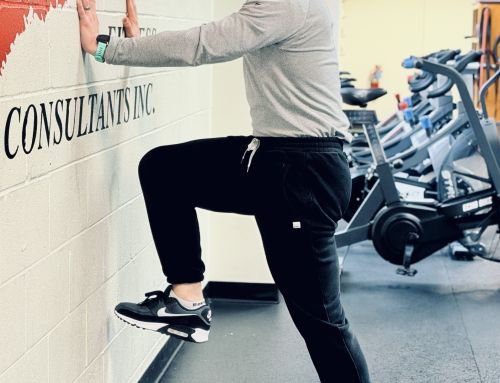
Step Up to Hurdle Stance
Purpose: Single leg balance and stability
Tempo: Controlled with a pause at the top
Primary Focus: Own the hurdle stance before descending
Key Considerations
Finish tall over the stance leg with the opposite hip and knee at approximately 90 degrees. Maintain your Capital “I” and establish your balance before stepping down. The ability to own this endpoint is a primary objective of the exercise.
Press Up
Purpose: Eccentric strength and balance
Tempo: Slow and controlled
Primary Focus: Keep your weight in the stance leg throughout the entire range of motion
Key Considerations
Lower as far as you can while maintaining your Capital “I” and keeping your weight in the stance leg. If you cannot maintain proper posture and alignment throughout the movement, reduce the height of the step.
Putting It Into Practice
Small changes to a familiar movement can significantly change its training effect. Knowing the purpose of each Step Up variation allows you to focus on the details that matter most. Apply the Three Keys, understand the specific training goal, and execute each repetition accordingly.
Copyright 2026 Fitness Consultants Inc. All rights reserved.